
Many homeowners assume bush trimming means cutting every branch back evenly, often as soon as a hedge looks untidy. That is understandable: a fast, uniform cut seems like the simplest fix. Landscaping Contractor Austin sees how that approach can leave bare patches, expose interior stems to heat, and weaken shrubs already stressed by compacted soil or pooling water. The problem is rarely just the visible growth. You can also find out more about the company.
Healthy shrubs respond best to selective cuts, not a blunt shearing schedule. A crew should remove dead, crossing, and crowded stems with clean bypass pruners, then keep enough leafy growth for the root system. They should also notice whether overgrowth is trapping moisture against the foundation or whether erosion has exposed roots. The real goal is a balanced canopy, workable drainage, and plants that can recover through Austin heat.


Before hiring, ask which shrubs they identify, how much live growth they plan to remove, and how they will reach tall branches without crushing nearby turf. In Austin, TX, also ask about timing around heat and nesting activity. A written estimate should name the hedge or shrub areas, approximate height or linear footage, pruning method, haul-away of clippings, and any drainage or soil concern observed near the beds. Learn more about our expert Flower Bed Installation services.
A capable contractor explains the difference between thinning, heading cuts, and formal shearing before a trimmer starts. They should point out dead wood, irrigation heads, utility lines, and branches rubbing a fence, so the scope matches your yard rather than a generic package. If Flower Bed Installation is planned nearby, confirm the final shrub width first; mature branches can shade new perennials and crowd mulch borders within a season.
Make a quick yard note before the visit: shrub names if you know them, photos of problem spots after rain, and the last date fertilizer or weed killer was applied. Mark sprinkler heads, drip tubing, and any valve box with a flag. If Irrigation System Installation is under consideration, share the proposed route, because root zones and trench locations affect how much growth can safely be removed.
Clear toys, hoses, patio furniture, and pet waste from the work zone, then unlock gates and arrange for dogs to stay indoors. Move vehicles away from the driveway if clippings will be loaded there. Do not scalp the hedge, pull vines from branches, or pack fresh soil against trunks before inspection; those shortcuts hide dying shrubs, compacted soil, and exposed roots, making the diagnosis less accurate and cleanup more expensive.

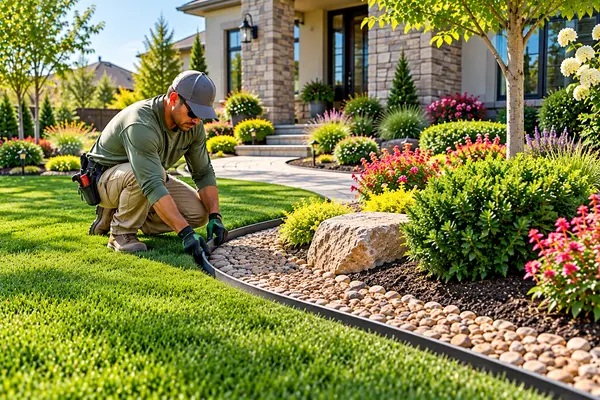
Fresh cuts and a more open canopy are immediate, but new leaf growth may take several weeks, especially during dry Austin weather. Small gaps can be normal after crowded stems are removed; they allow light and air into the shrub’s center. Watch instead for expanding bare patches, brown tips beyond the cut, or wilting that persists after normal watering. Those symptoms can point to root stress, pests, or a damaged irrigation line.
After the first two or three rainfalls, check the soil beneath the trimmed shrubs and along the foundation. Pooling water, new erosion channels, or runoff carrying mulch signal a drainage issue that trimming alone cannot solve. Keep mulch about 2 to 3 inches deep but off the stems, inspect for overgrowth every few months, and avoid driving equipment over root zones. Get back in touch if dying shrubs continue to decline or compacted soil stays hard and waterlogged.
LANDSCAPING CONTRACTOR AUSTIN
203 W 10th St, Austin, TX 78701
(737) 300-9206
Hours of Operation
Open 24 Hours