
Xeriscape Installation is often mistaken for replacing every green thing with rock, a sensible idea if mowing, water bills, and dying shrubs have worn you down. Yet a rock-heavy yard over compacted soil can trap runoff, create pooling water, and bake roots. Landscaping Contractor Austin plans the ground beneath the plants, so bare patches and erosion are addressed instead of merely covered. You can also learn more about us.
True xeriscaping uses a water-wise planting plan, not a blanket of gravel. Healthy drought-tolerant shrubs still need root space, amended topsoil, mulch, and water delivered at the right pace. A site with a slope may need drainage or edging before planting, while a shaded bed needs different species than a sunny curb strip. The goal is a planted, stable landscape that uses less water and stays manageable.
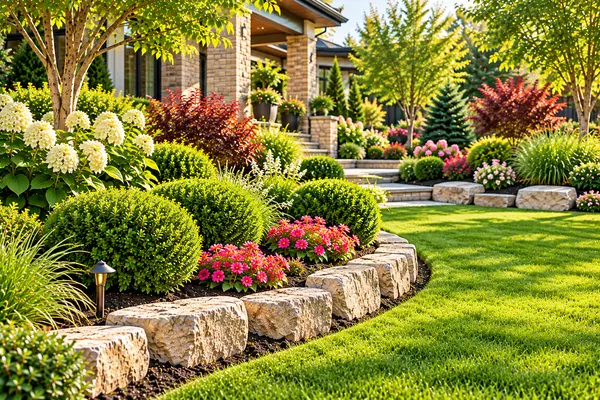
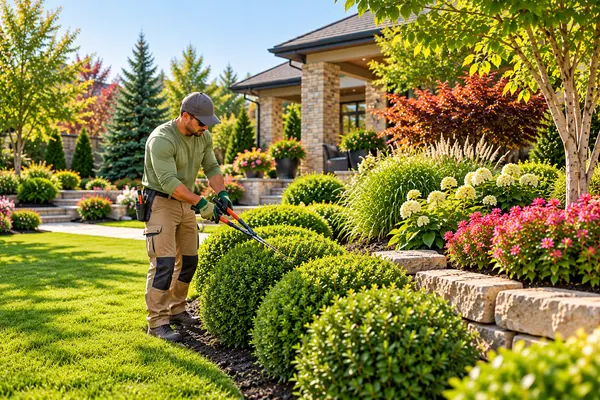
Before the walkthrough, take photos of the yard after rain and note where water pools, where soil washes from slopes, and which shrubs are dying. Mark sprinkler heads, outdoor spigots, utility boxes, and pet areas on a simple sketch. Have any irrigation schedule, recent water-use concern, and plant preferences ready. These details help connect a bare patch or overgrown bed to its likely cause rather than guessing from dry soil alone. Learn more about our expert Lawn Fertilization services.
Clear loose toys, furniture, hoses, and movable planters from proposed beds, and arrange access through a side gate if available. Keep gates unlocked during the agreed visit and move pets indoors. Avoid applying Lawn Fertilization, weed killer, new sod, or a fresh load of mulch beforehand, because those materials can hide soil conditions and complicate plant selection. Do not change irrigation run times just before assessment unless a leak needs immediate attention.
During the first 7 to 14 days, mulch may settle, soil can look darker around drip lines, and newly planted shrubs may show brief transplant stress. Watch the surface after an irrigation cycle and after a storm. Water should soak in rather than form pooling water, and the grade should hold without muddy channels. Small exposed spots can occur as mulch shifts; widespread bare patches are worth documenting with photos. Contact Us for a free, no-obligation quote.
Please contact us if erosion reappears, irrigation heads spray a path or wall, compacted soil sheds water, or several shrubs continue dying after the initial adjustment period. Trim only broken stems until seasonal pruning is appropriate, since heavy cutting can stress new roots. Routine checks of drip lines, edging, mulch depth, and fast-growing overgrowth keep water directed to plants instead of pavement.
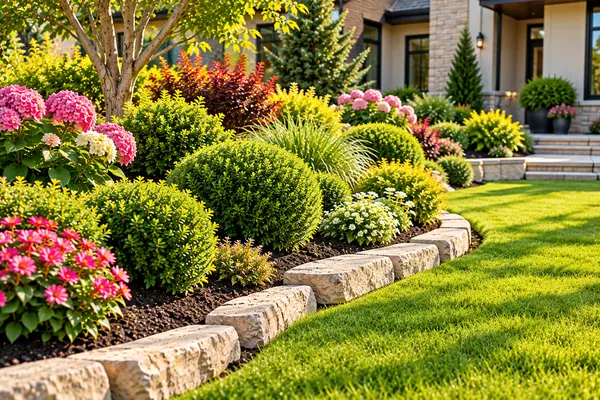
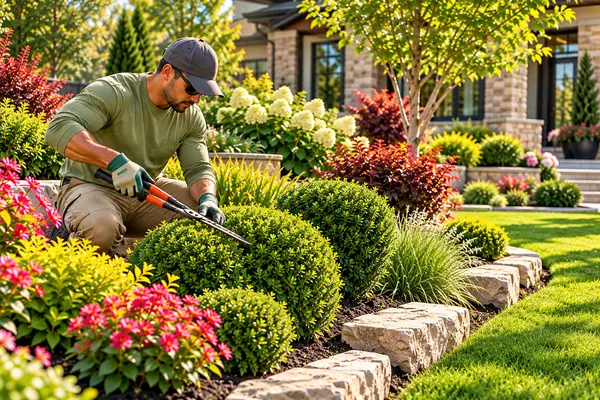
Work begins with a walkthrough and layout, followed by removal or relocation of selected turf, weeds, and failing shrubs. Existing irrigation heads are checked, drainage paths are identified, and intended bed edges are set. Grading then shapes the surface so rain moves away from foundations and does not scour a slope. Compacted areas are loosened during soil preparation, and topsoil or amendments are added where roots need better structure and moisture retention.
Next, retaining blocks or edging are installed where beds need support and clean boundaries. Drip lines are placed near root zones, while irrigation heads are adjusted or capped so water does not wastefully hit mulch, sod, or sidewalks. Planting follows the site plan, then a 2- to 3-inch mulch layer limits evaporation and weed growth. Before leaving, irrigation is tested and seasonal pruning and mulching needs are reviewed as plants fill in.
LANDSCAPING CONTRACTOR AUSTIN
203 W 10th St, Austin, TX 78701
(737) 300-9206
Hours of Operation
Open 24 Hours