
You may be searching for Lawn Mowing because the grass is knee-high, the sidewalk edge has disappeared, or bare patches are spreading across areas that once filled in. Landscaping Contractor Austin can assess more than the visible overgrowth, including compacted soil, pooling water near downspouts, and shrubs dying beside the lawn. A routine cut can usually wait a few days; standing water, active erosion, or grass covering irrigation heads should not.
Overgrown grass traps moisture at the soil surface and can hide weeds, sprinkler damage, and uneven ground. Bare patches may result from mower scalping, shade, pet traffic, or compacted soil that prevents roots from taking in water. If the lawn is simply taller than you prefer, schedule mowing around your normal weekly or biweekly cycle. Act sooner if runoff is cutting channels through the yard or water remains pooled for more than a day.


The visit starts with a walk-through of the turf, fence lines, beds, gates, and irrigation heads. The crew notes wet spots, exposed drip lines, low branches, and obstacles before setting the mower height for the grass type and season. Grass is cut in a pattern that avoids repeatedly compacting the same track, then trimmed around curbs, trees, and landscape borders. Edging creates a defined line along concrete and planting beds, followed by blowing clippings from patios and walkways. Learn more about our expert Sprinkler Repair services.
If the lawn shows a problem beyond mowing, the next step is identifying the cause before adding material. Sprinkler Repair may be needed when broken irrigation heads soak one strip while another turns brown. Soil preparation, topsoil, sod, grading, mulch, planting, seasonal pruning, drainage work, or retaining blocks are considered only where the site calls for them. Irrigation adjustment can prevent runoff, while mulching around shrubs helps retain moisture without covering their root flare.
A flat, open lawn with a wide gate takes less time than a sloped backyard divided by garden beds, play equipment, and narrow side access. Grass height matters too: mowing 3 inches of growth is different from cutting back 10 inches of dense overgrowth, because removing too much blade at once can stress the turf. Existing sod condition, tree shade, compacted soil, and exposed roots all affect mower height, trimming time, and the best service interval. Learn more about our expert Yard Cleanup services.
What has already been tried can change the approach. A lawn repeatedly cut too short may need a higher mowing setting and time to recover, while a yard with new topsoil or recently laid sod needs gentler traffic. Yard Cleanup can be handled alongside mowing when leaves, branches, and clippings are blocking drainage paths. A basic maintenance visit may take one stop, but erosion, failed drip lines, or uneven grading can add several visits for inspection and corrective work.
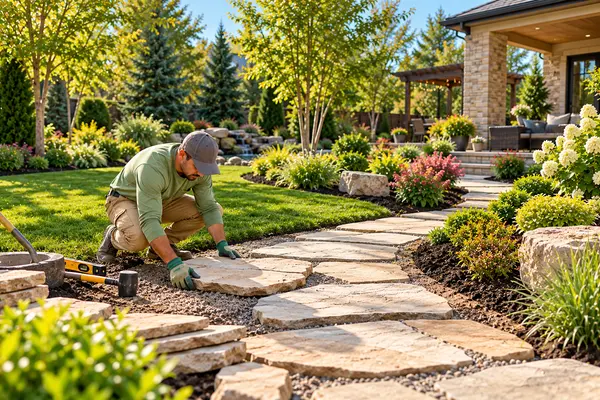
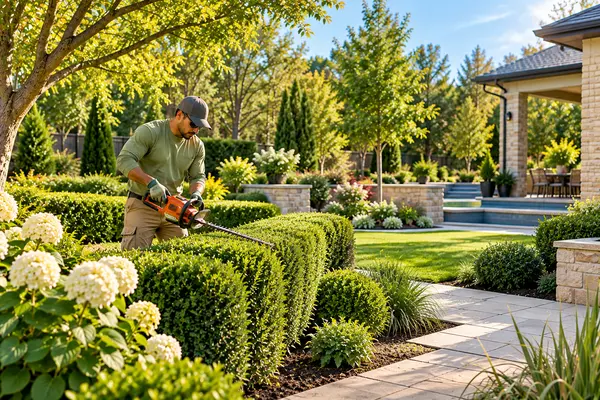
Lawn Mowing cost changes primarily with mowable area, grass height, slope, gate width, and the amount of trimming required around beds and hardscape. A small, open 1/8-acre lawn can take far less labor than a half-acre property with several fenced sections; the larger or more obstructed yard may require roughly two to four times the crew time. Heavy clippings, wet turf, leaf buildup, and limited parking also increase handling and cleanup time.
Materials and corrective work move the estimate beyond routine mowing. Replacing irrigation heads, adding mulch, bringing in topsoil, installing sod, or addressing drainage requires separate labor and components because the amount needed may not be clear until the turf and soil are inspected. A written estimate should itemise mowing frequency, edging, trimming, blowing, debris removal, access conditions, haul-off, materials, irrigation adjustments, and any grading or drainage allowance. That detail makes two estimates comparable.
LANDSCAPING CONTRACTOR AUSTIN
203 W 10th St, Austin, TX 78701
(737) 300-9206
Hours of Operation
Open 24 Hours