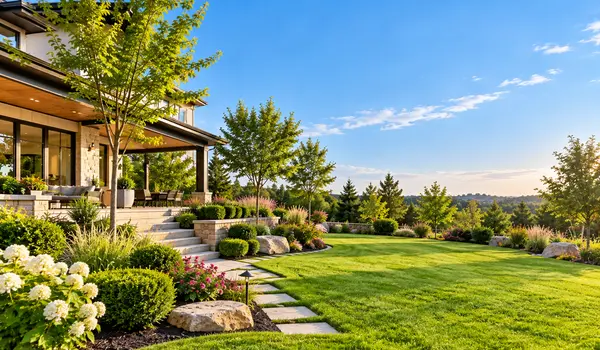
A hillside that once held its shape may now show bare patches, exposed roots, and muddy water pooling near the patio after rain. Those are signs that soil is moving instead of draining through the yard. Landscaping Contractor Austin can assess the grade, runoff path, and existing planting beds to determine whether a retaining wall is the right fix rather than simply covering the damage with mulch or sod.
It can wait if a small bare area is stable, dry, and not spreading after normal storms. It should not wait if erosion is cutting channels into the slope, water is collecting against the foundation, shrubs are dying from saturated roots, or soil is sliding toward a driveway or fence. A wall with proper gravel backfill and drainage pipe holds the grade in place while giving water a controlled route out.
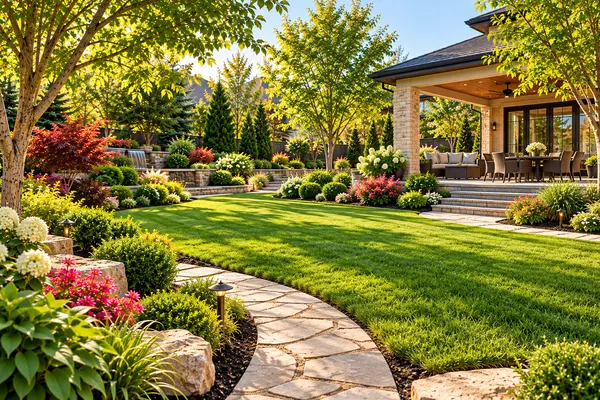
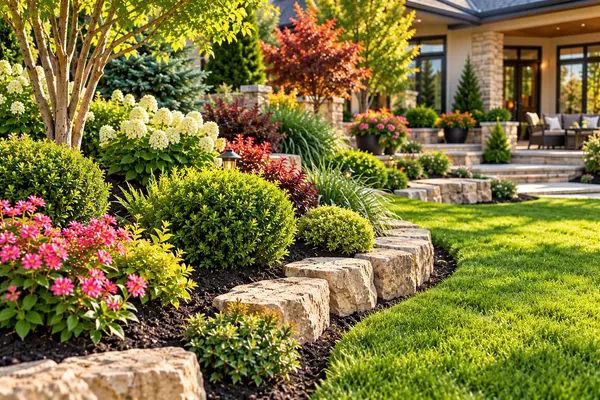
The cost of a retaining wall changes with wall height, total length, access for excavation equipment, and the block, stone, timber, or concrete selected. A low garden border may need limited digging and compacted gravel, while a wall supporting a steep 4- to 6-foot grade can require deeper base preparation, drain pipe, geogrid reinforcement, and more truckloads of fill. Difficult access through a narrow side gate can add substantial labor compared with open-yard access. Learn more about our expert Xeriscape Installation services.
Expect a multi-tiered wall, curved layout, or natural stone face to run roughly two to three times the effort of a short, straight segment built from standard modular block. Xeriscape Installation can sometimes be coordinated after construction, but new gravel beds, plants, and irrigation should be priced separately. A written estimate should itemize demolition, excavation, base material, blocks or stone, drainage components, backfill, hauling, equipment, and any anticipated grading or planting work.
Most residential retaining wall projects take about 3 to 7 working days, while taller walls, multiple terraces, or restricted access can extend into 1 to 2 weeks. During that time, expect a marked work area, soil piles, gravel deliveries, compactors, and a temporary change to how you reach parts of the yard. Lawn Fertilization is best scheduled after final grading, because fresh seed or turf needs stable soil rather than repeated foot traffic and equipment.
Some stages appear quiet because the crew is checking elevations with a laser level, compacting the crushed-stone base in thin lifts, or setting drain pipe at the correct slope. Those steps matter: an uneven base can make a block wall lean, and poorly placed drainage can trap water behind it. Rain, wet clay, hidden rock, utility markings, and additional erosion uncovered during excavation are common causes of delay.
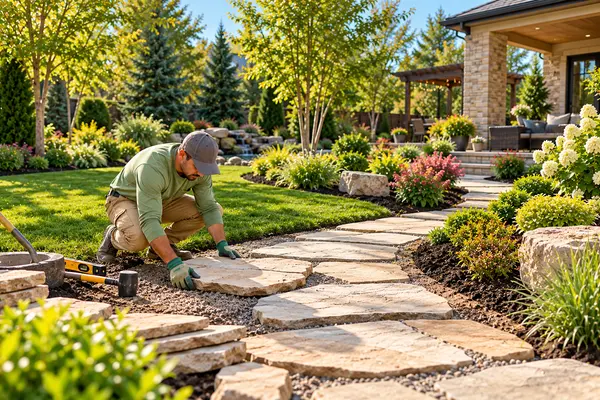
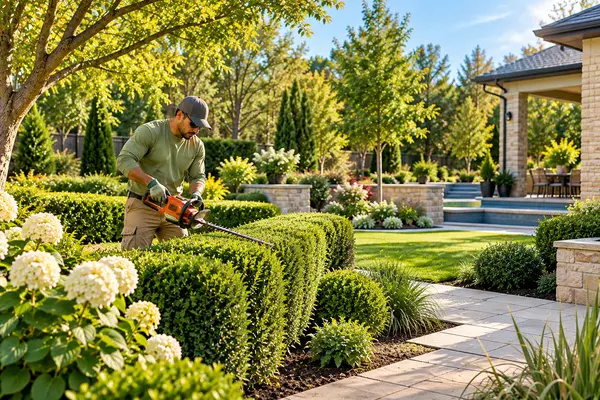
Ask any Austin, TX contractor how water will leave the wall, not just what the finished blocks will look like. They should explain the excavation depth, compacted gravel base, perforated drain pipe, filter fabric, backfill, and whether geogrid is needed for the proposed height and soil conditions. Also ask how they will protect irrigation lines, fence posts, trees, and nearby concrete while equipment works along the slope.
Compare written estimates by scope, not only by the bottom number. Each proposal should identify wall dimensions, material type, drainage plan, demolition or hauling, access limitations, grading, and who restores disturbed sod or beds afterward. A good contractor explains where the water currently travels, what changes the wall will make, and what could alter the scope after excavation, such as buried concrete, unstable soil, or an unmarked irrigation valve.
LANDSCAPING CONTRACTOR AUSTIN
203 W 10th St, Austin, TX 78701
(737) 300-9206
Hours of Operation
Open 24 Hours