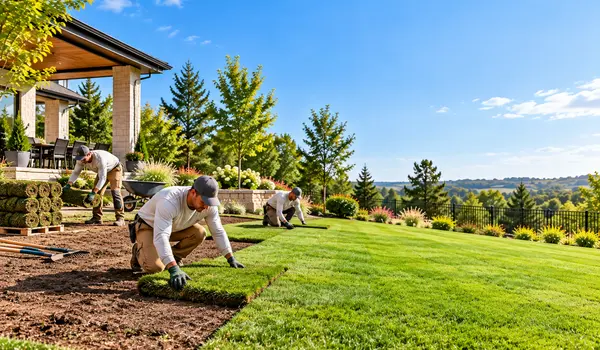
Sod Installation makes sense when a lawn has broad bare patches, repeated pooling water, or soil washing from a slope after Austin rain. Landscaping Contractor Austin can evaluate whether grading, drainage, and fresh turf are needed together, rather than covering the symptom. It is also useful after overgrowth is cleared, compacted soil is loosened, or dying shrubs leave exposed beds that need a usable lawn surface.
Sod is not automatically the best fix for a few thin spots caused by shade, a broken sprinkler head, or a single pet-worn path; seed, irrigation repair, or a small soil amendment may be simpler. New turf will also struggle if a downspout keeps dumping water beside the foundation or tree roots occupy the top few inches. Correcting drainage, pruning, or selecting a shade-tolerant groundcover first prevents expensive sod from failing.
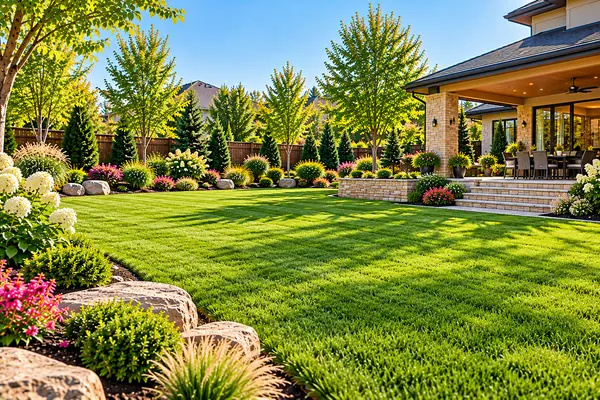
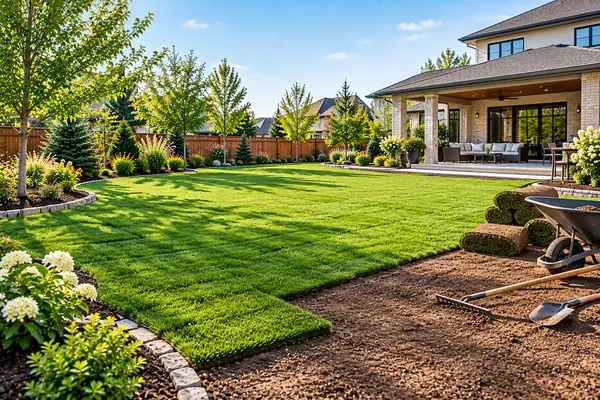
The size of the lawn is only one part of the estimate. A 200- to 500-square-foot repair usually needs far less sod and base preparation than a full front or back yard, but tight side gates, steep slopes, and limited wheelbarrow access add labor. Sod, topsoil, compost, edging, and delivery can make up roughly one-third to one-half of the project scope, especially if Mulch Installation is also needed around new beds.
A written estimate should separate turf type, square footage, soil preparation, grading, haul-off, delivery, installation, and watering instructions. Costs can increase if crews uncover compacted clay, buried rock, failed irrigation heads, or low spots that need additional topsoil after work begins. Compare two estimates by checking the depth of soil work and the amount of sod included, not simply the bottom line; a lower figure may omit drainage correction or removal of old turf.
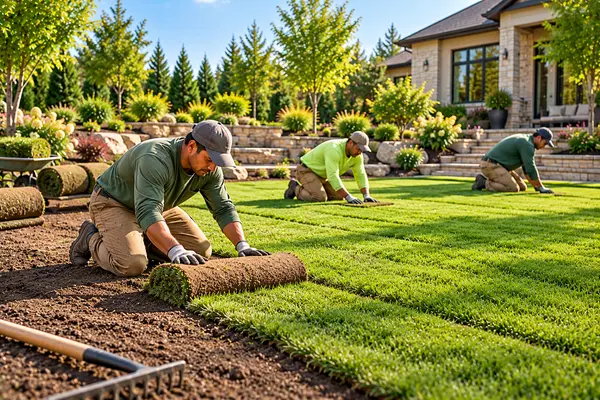
Most small Sod Installation projects take one day, while larger yards, drainage corrections, or extensive soil preparation can take two to several days. Homeowners will see turf removal, soil loosening, grading rakes, wheelbarrows, and sod pallets moving through the property. Access to gates, sprinkler controls, and outdoor water spigots helps the work proceed smoothly. Fresh sod is typically walkable only after it has begun rooting, so foot traffic and pets need to stay off it at first. Learn more about our expert Weed Control services.
Rain, saturated clay, delivery timing, hidden irrigation lines, and extreme heat can delay installation or change the order of work. Some stages appear quiet because crews are checking slope with a level, watering seams, or allowing the soil surface to settle before laying turf. The first two to four weeks require regular watering and Weed Control attention, since weeds compete for moisture while the new grass roots into the prepared soil.
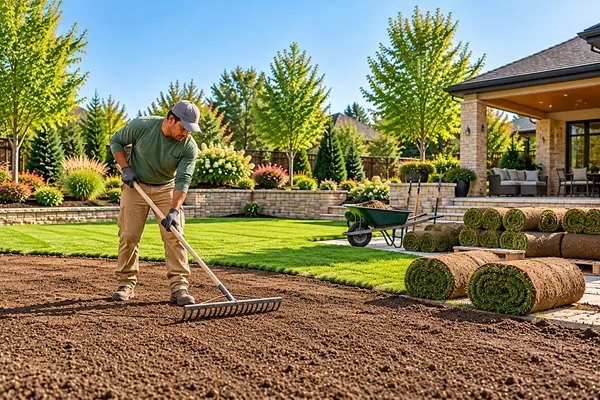
Ask any contractor how they will identify the cause of bare grass before recommending sod. A useful answer should address sprinkler coverage, soil compaction, drainage direction, sun exposure, tree roots, and the condition of existing turf. Ask which sod variety suits the amount of daily sun and how the crew will prepare the top few inches of soil. In Austin, a grass choice that works in open sun may struggle badly beneath live oak canopy.
Request an estimate that states square footage, turf variety, topsoil or compost, grading, old sod removal, irrigation adjustments, cleanup, and the watering plan after installation. Before work starts, a good contractor explains where equipment will enter, how sprinkler heads will be protected, whether low areas need correction, and what you should do during the first several weeks. Clear expectations about hose use, mowing height, and foot traffic help protect the new root zone.
LANDSCAPING CONTRACTOR AUSTIN
203 W 10th St, Austin, TX 78701
(737) 300-9206
Hours of Operation
Open 24 Hours